SHORT ANSWER
If something happened recently, focus on what happened, when it happened, and whether urgent PEP assessment may be needed.
This guide gives general information to help you prepare for a conversation with a qualified health professional. Your timing, health history, medicines, and local guidance can change what is right for you.
KEY POINTS
What to know
- 01
PEP is time-sensitive and must be started within 72 hours.
- 02
Do not wait for symptoms before seeking advice.
- 03
Testing may still be recommended because no HIV test detects infection immediately.
FAST FACTS
Fast facts
The most important, source-aligned points for this page—at a glance.
A test is the only way to know your HIV status.
An undetectable viral load means HIV is not passed on through sex.
No risk from hugging, sharing food, toilets, or insect bites.
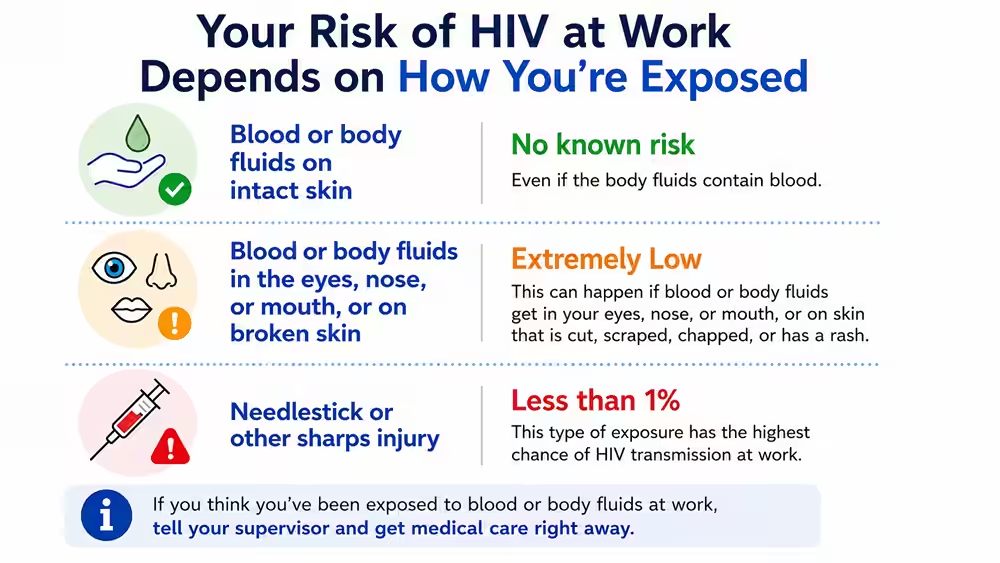
INFOGRAPHIC
Your risk of HIV at work
Workplace HIV risk depends on how blood or body fluids reached the body.
- Blood or body fluid on intact skin has no known HIV transmission risk.
- Contact with eyes, nose, mouth, or damaged skin is considered extremely low risk.
- A contaminated needlestick or sharps injury has the highest workplace exposure risk in this comparison, but remains below 1%.
- Report a possible occupational exposure and seek medical assessment immediately.
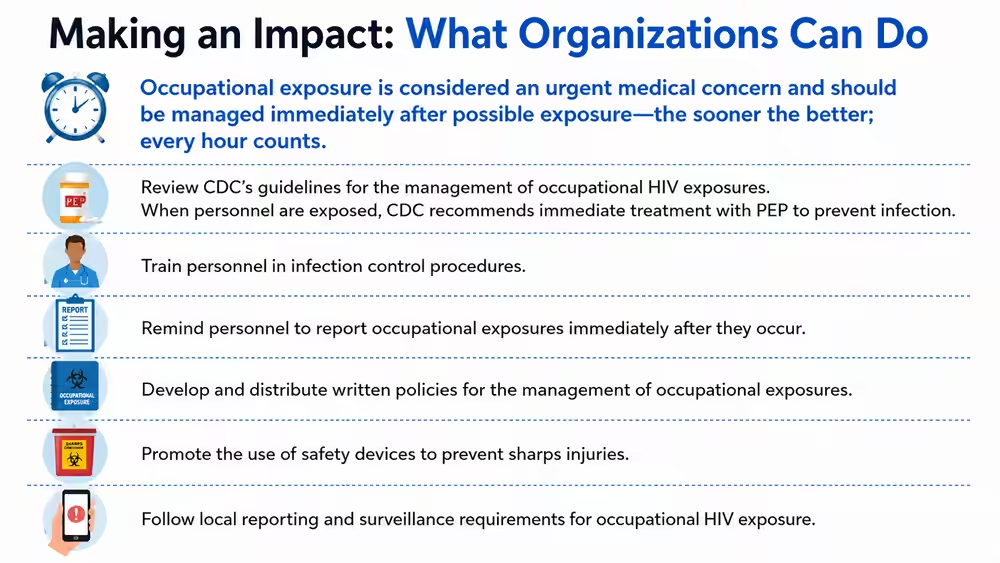
INFOGRAPHIC
What organizations can do
A practical checklist for organizations responding to possible workplace exposure.
- Treat a possible occupational exposure as an urgent medical concern and arrange PEP assessment immediately.
- Train personnel in infection-control procedures and prompt exposure reporting.
- Maintain written exposure-management policies and promote safer sharps devices.
- Follow the reporting and surveillance requirements for the local health system.
VISUAL SUMMARY
Assessing a possible exposure: understand, check, act
Use the three points below as a quick visual map before reading the detailed guide.
Understand
PEP is time-sensitive and must be started within 72 hours.
Check
Do not wait for symptoms before seeking advice.
Act
Testing may still be recommended because no HIV test detects infection immediately.
This visual is a guide to the page—not a personal diagnosis or treatment recommendation.
BRING THIS TO A VISIT
Questions worth asking
A short list to help you get clear, personal answers from a provider.
Which HIV test fits my situation and timing?
How is my health information kept private?
What prevention options are right for me?
COMMON QUESTIONS
Before you move on
Can this page tell me exactly what I should do?
No. It can help you prepare, but a clinician should assess your individual situation—especially for urgent exposure, symptoms, testing timing, pregnancy, or medicine decisions.
How do I know the information is current?
Core medical claims are linked to public-health sources. Country-specific services, costs, legal rights, and clinical pathways must be locally verified before public launch.
SOURCES & REVIEW
Built for clarity and trust.
Content structure reviewed: 10 August 2026. Medical review and local service verification are required before public launch.
View the primary CDC HIV source