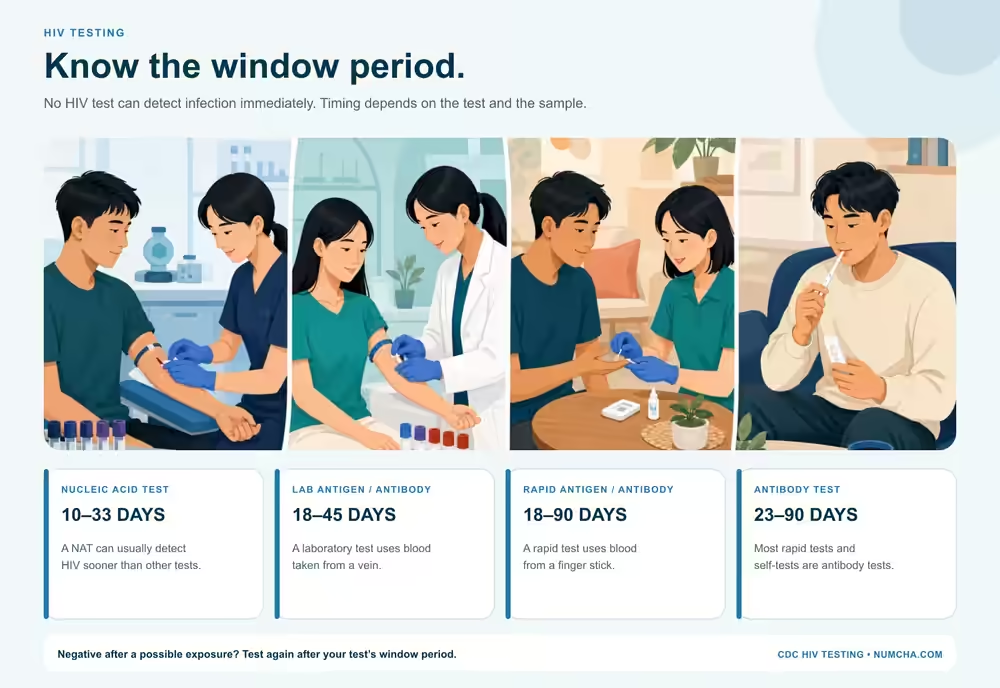
No HIV test can detect HIV immediately after infection. The window period is the time between a possible exposure and when a particular test can usually detect HIV.
01
The test name changes the answer
An antibody test, an antigen/antibody test, and a nucleic acid test look for different signs of HIV. They therefore have different window periods. Even tests that sound similar can differ depending on whether the sample is oral fluid, finger-stick blood, or blood drawn from a vein.
This is why a date by itself is not enough. Ask the testing service which test will be used. If you already tested, ask for the test name so you know whether a follow-up test may be recommended.
02
Three questions make a testing plan clearer
A testing provider can use the timing and test type together. If a possible exposure was within 72 hours, urgent PEP assessment comes before waiting for a routine testing date.
- Which HIV test are you using today?
- Could this test be within its window period for my timing?
- If the result is negative, when—if ever—should I test again?
03
Treat a result as part of a pathway
A negative result taken too early may need to be repeated after the window period for that test. A reactive screening test or positive self-test needs follow-up testing before HIV is diagnosed. An invalid result means the test did not work and needs to be repeated.
Whatever the result, ask for one concrete next step: follow-up testing, a prevention conversation, or a connection to HIV care. Testing is most useful when it turns uncertainty into a plan.
GO DEEPER
Ready for the complete guide?
Open the related guide for detailed explanations, questions to ask, and your next step.
SOURCE AND REVIEW
Built from primary public-health guidance.
This article provides general information and does not replace an individual medical assessment, especially for urgent situations or medicine decisions.
View the CDC source