SHORT ANSWER
HIV stigma is harmful and is never your fault. Accurate information and supportive people can make a difference.
This guide gives general information to help you prepare for a conversation with a qualified health professional. Your timing, health history, medicines, and local guidance can change what is right for you.
KEY POINTS
What to know
- 01
You deserve respectful, confidential care.
- 02
Keep notes if you need to report discrimination.
- 03
Community organizations may offer peer, legal, or navigation support.
FAST FACTS
Fast facts
The most important, source-aligned points for this page—at a glance.
Effective treatment supports a long and healthy life.
An undetectable viral load removes the risk of sexual transmission.
You decide who knows your status, within the limits of local law.
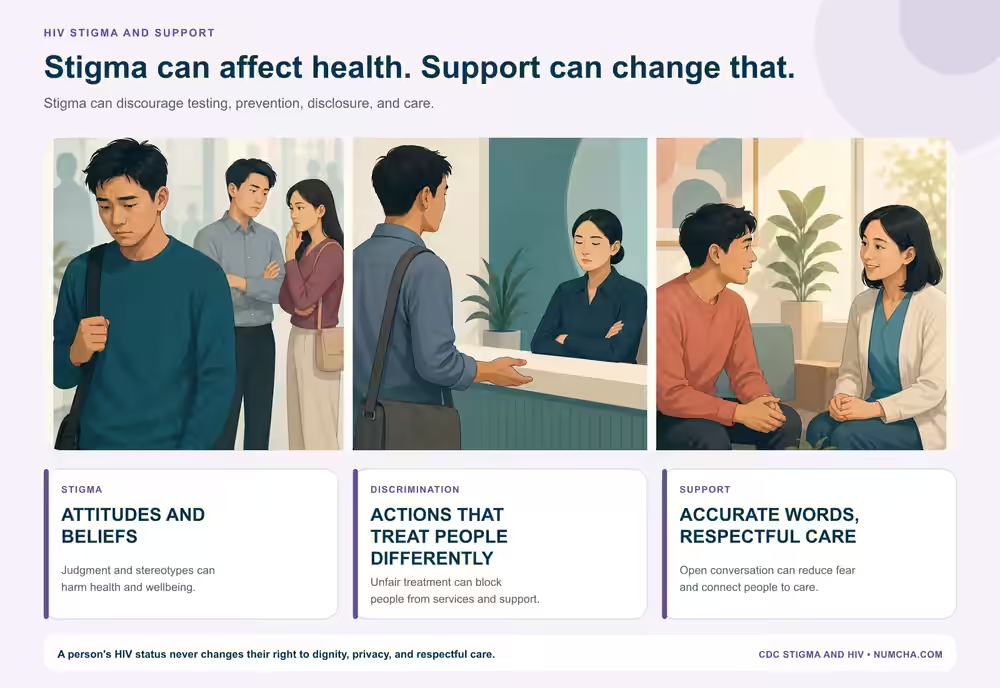
INFOGRAPHIC
HIV stigma, discrimination, and support
A visual guide to recognizing harmful attitudes and actions—and responding with accurate language and respectful care.
- HIV stigma means negative attitudes and beliefs about people with HIV.
- Discrimination means actions that treat people with HIV differently.
- Stigma can discourage testing, prevention, disclosure, and care.
- Accurate information, respectful language, and supportive care can help reduce harm.
VISUAL SUMMARY
Stigma, discrimination, and support: understand, check, act
Use the three points below as a quick visual map before reading the detailed guide.
Understand
You deserve respectful, confidential care.
Check
Keep notes if you need to report discrimination.
Act
Community organizations may offer peer, legal, or navigation support.
This visual is a guide to the page—not a personal diagnosis or treatment recommendation.
BRING THIS TO A VISIT
Questions worth asking
A short list to help you get clear, personal answers from a provider.
Can you refer me for mental-health or peer support?
How is my privacy protected here?
What are my rights if I face discrimination?
COMMON QUESTIONS
Before you move on
Can this page tell me exactly what I should do?
No. It can help you prepare, but a clinician should assess your individual situation—especially for urgent exposure, symptoms, testing timing, pregnancy, or medicine decisions.
How do I know the information is current?
Core medical claims are linked to public-health sources. Country-specific services, costs, legal rights, and clinical pathways must be locally verified before public launch.
SOURCES & REVIEW
Built for clarity and trust.
Content structure reviewed: 10 August 2026. Medical review and local service verification are required before public launch.
View the primary CDC HIV source