SHORT ANSWER
Symptoms alone cannot tell you whether you have HIV; some people have no noticeable symptoms for years.
This guide gives general information to help you prepare for a conversation with a qualified health professional. Your timing, health history, medicines, and local guidance can change what is right for you.
KEY POINTS
What to know
- 01
Early symptoms can resemble many common illnesses.
- 02
Feeling well does not rule out HIV.
- 03
Choose testing based on possible exposure and timing, not symptoms alone.
FAST FACTS
Fast facts
The most important, source-aligned points for this page—at a glance.
A test is the only way to know your HIV status.
An undetectable viral load means HIV is not passed on through sex.
No risk from hugging, sharing food, toilets, or insect bites.
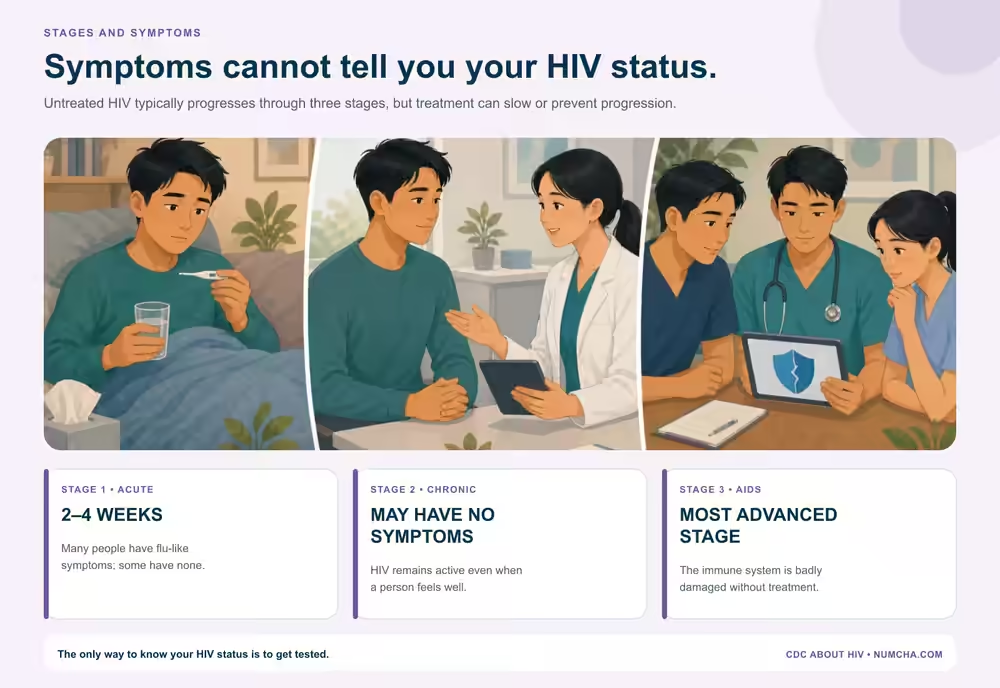
INFOGRAPHIC
Stages and symptoms of HIV
The three untreated stages of HIV—and why symptoms cannot replace an HIV test.
- During acute HIV, many people have flu-like symptoms within 2–4 weeks, but some have no symptoms.
- During chronic HIV, a person may feel well even though HIV remains active.
- Stage 3 AIDS is the most advanced stage and involves severe immune-system damage.
- Treatment can slow or prevent progression, and testing is the only way to know HIV status.
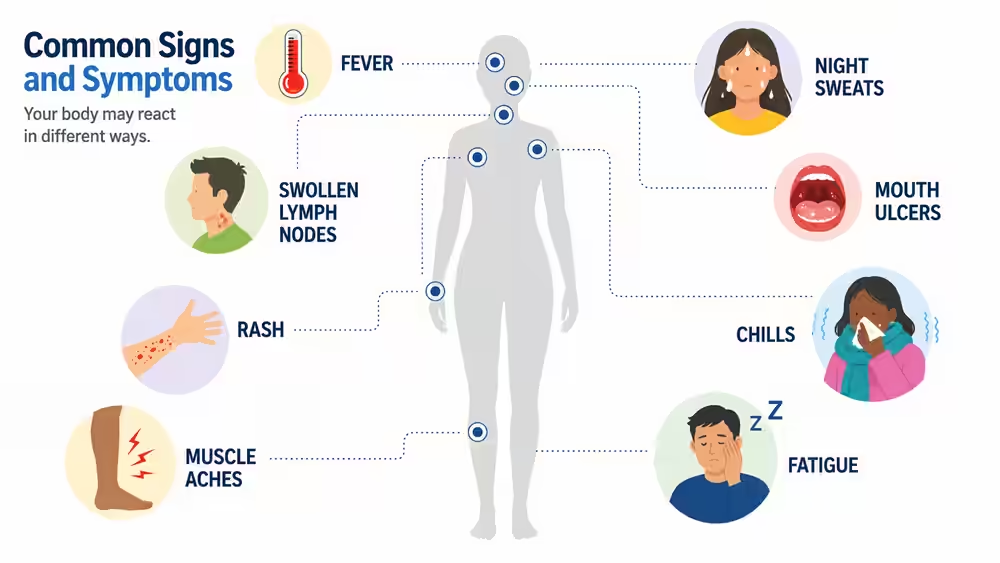
INFOGRAPHIC
Common signs and symptoms
Possible flu-like symptoms can happen 2–4 weeks after infection, but symptoms cannot diagnose HIV.
- Some people have flu-like symptoms within 2–4 weeks after infection.
- Possible symptoms include fever, chills, rash, night sweats, muscle aches, sore throat, fatigue, swollen lymph nodes, and mouth ulcers.
- Some people have no symptoms.
- Only HIV testing can determine HIV status.
VISUAL SUMMARY
Stages and symptoms: understand, check, act
Use the three points below as a quick visual map before reading the detailed guide.
Understand
Early symptoms can resemble many common illnesses.
Check
Feeling well does not rule out HIV.
Act
Choose testing based on possible exposure and timing, not symptoms alone.
This visual is a guide to the page—not a personal diagnosis or treatment recommendation.
BRING THIS TO A VISIT
Questions worth asking
A short list to help you get clear, personal answers from a provider.
Which HIV test fits my situation and timing?
How is my health information kept private?
What prevention options are right for me?
COMMON QUESTIONS
Before you move on
Can this page tell me exactly what I should do?
No. It can help you prepare, but a clinician should assess your individual situation—especially for urgent exposure, symptoms, testing timing, pregnancy, or medicine decisions.
How do I know the information is current?
Core medical claims are linked to public-health sources. Country-specific services, costs, legal rights, and clinical pathways must be locally verified before public launch.
SOURCES & REVIEW
Built for clarity and trust.
Content structure reviewed: 10 August 2026. Medical review and local service verification are required before public launch.
View the primary CDC HIV source