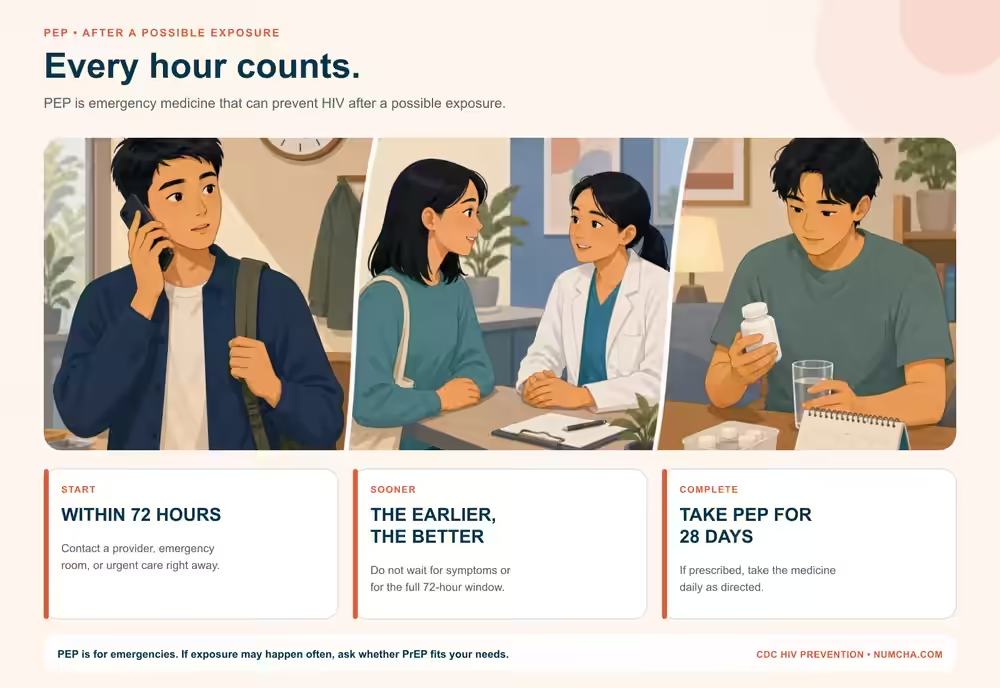
If a possible exposure happened recently, the most useful first question is when it happened. PEP is emergency HIV prevention medicine, and it must be started within 72 hours—the sooner, the better.
01
Start with the clock, not with symptoms
Do not wait to see whether you feel unwell. Symptoms cannot tell you whether HIV has been transmitted, and waiting can use up the short window in which PEP can be started. Contact a health care provider, emergency department, or urgent-care service immediately if the exposure may have been within the last 72 hours.
PEP is intended for emergencies after a possible exposure. A clinician needs to assess the details and decide whether it is appropriate. Asking for an assessment does not mean you have HIV, and it does not commit you to treatment before you have had a chance to discuss the situation.
02
Prepare a few facts for the conversation
You do not need to diagnose the risk yourself. Share what happened as accurately as you can so the clinician can help. It is okay if you do not know every answer.
- When the possible exposure happened and whether there was more than one event.
- Whether it involved sex, shared injection equipment, or another blood exposure.
- Any medicines you take, allergies, pregnancy considerations, or recent HIV tests.
- Whether you may need help with privacy, cost, transport, or follow-up appointments.
03
Plan the follow-up as well as the first dose
If PEP is prescribed, CDC public guidance describes a 28-day daily course. The care team should explain testing, side effects, follow-up appointments, and what to do if a dose is missed. Ask how to reach the service if a problem comes up.
PEP is for emergencies rather than regular prevention. If possible exposures could happen again, ask whether PrEP or another ongoing prevention plan might fit your life after the urgent situation has been handled.
GO DEEPER
Ready for the complete guide?
Open the related guide for detailed explanations, questions to ask, and your next step.
SOURCE AND REVIEW
Built from primary public-health guidance.
This article provides general information and does not replace an individual medical assessment, especially for urgent situations or medicine decisions.
View the CDC source